Misinterpretation: A micro-essay on identity
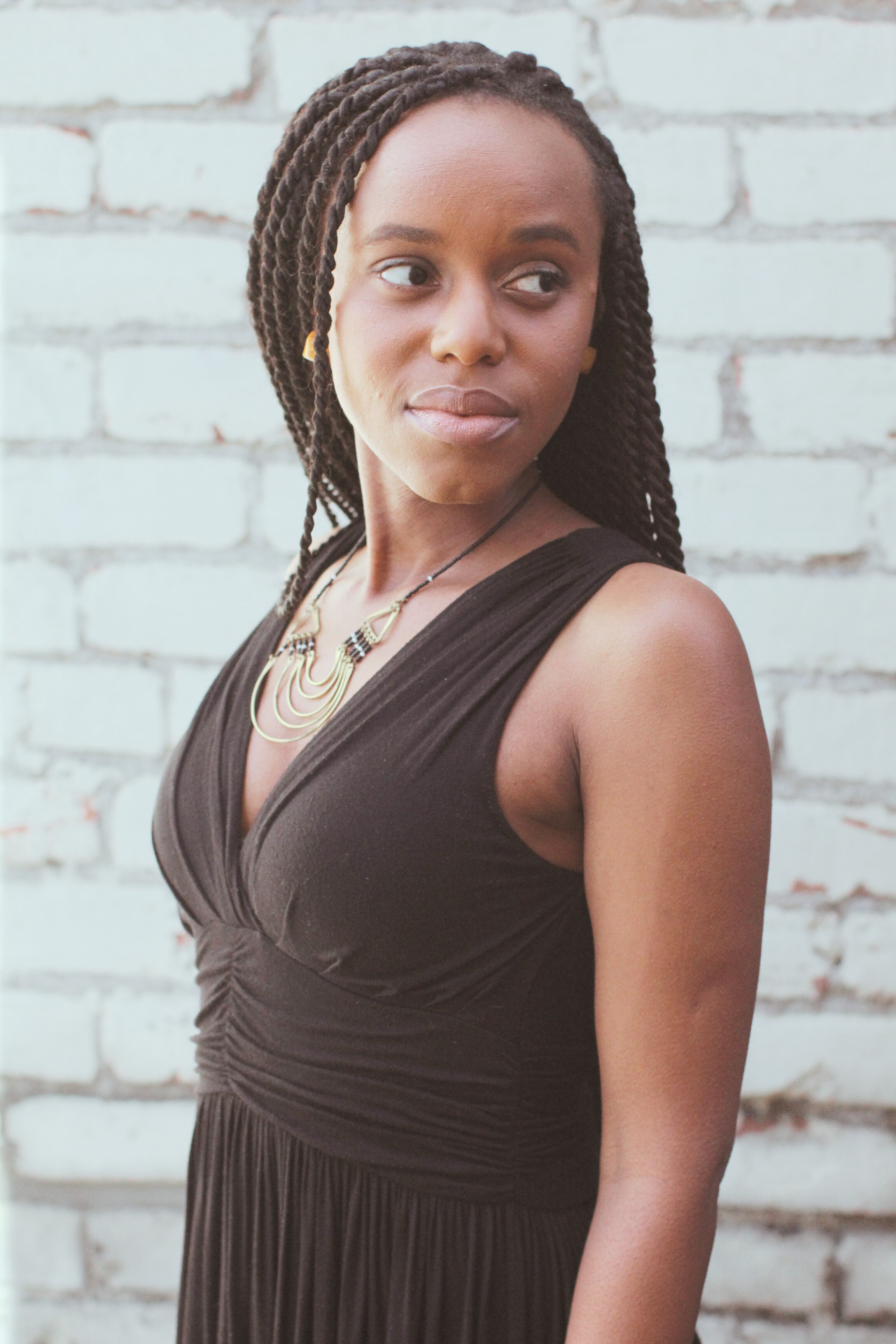
Before I could even walk, I slept on planes flying over the 4,600 mile expanse of the African continent. Before I was nine the pieces of who I was were already shifting and spinning, a globe turning in motion with six domestic and international moves. One part of my heartbeat formed in Ghana, the other in Kenya. My family says the twinkle in my eye is Accra, and the elevation of my forehead is Nairobi. My smile is of the east, the furrow of my brow is from the west -- holding together the coasts of the Continent. But my accent is red, white and blue through and through. My Ghanaian cousins call me dadabi, obroni -- bougie and foreign like the white man, but with my American friends I am woven into fists high and the legacy of Black America. I feel somewhere between here and there. An identity perpetually mistaken, searching, lost and found.
In Oaxaca, Mexico the men selling jewelry call me Dominicana because the lilt of Spanish drips off my tongue, my skin is honey and my hair is frizzy. In Venezuela the kids coo in wonder over the blonde haired girls with whom I traveled, but I am left on the edges, unremarkable in my familiarity. In New Zealand, I represent the legacy of Black America to the Maori youth I meet. A people oppressed looking towards forebearers to fortify their struggle.
Funny isn’t it? How one body can be Ghana’s gold coast, the farms of Kenya, the racial struggle of America and a vision for the indigenous of Oceania? To the midnight-skinned of Ghana, I am white, but in the American color palette, I am black. To the indigenous youth in Auckland, I represent a fight for liberation. To the people of Venezuela, I am an everyday neighbor. In the context of nations and borders and identities in boxes, I am perpetually foreign. I’m easy to interpret, but hard to read.